
The Consolation Prize
Washington, Yeats, Henley, and Jesus

William Butler Yeats (1865-1939) was a Modernist Irish writer who won the Nobel Prize for Literature in 1923, and is recognized as one of the most influential poets of the 20th century. “Numerous writers credit him for introducing them to the possibility that a poem could hold so much substance if only one knew how to say what they felt as efficiently and eloquently as he” (Holden). He was also down bad. Really bad.
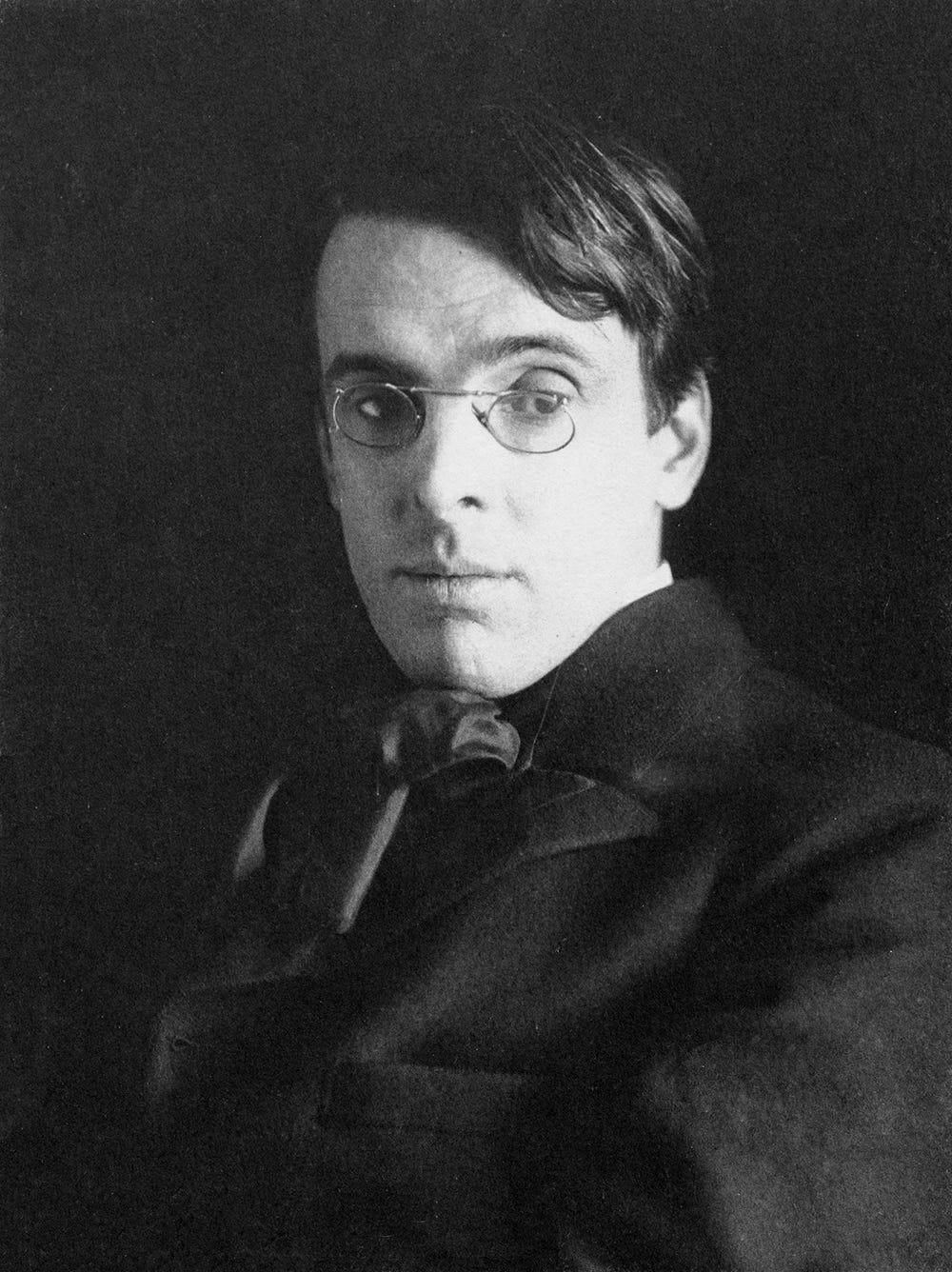
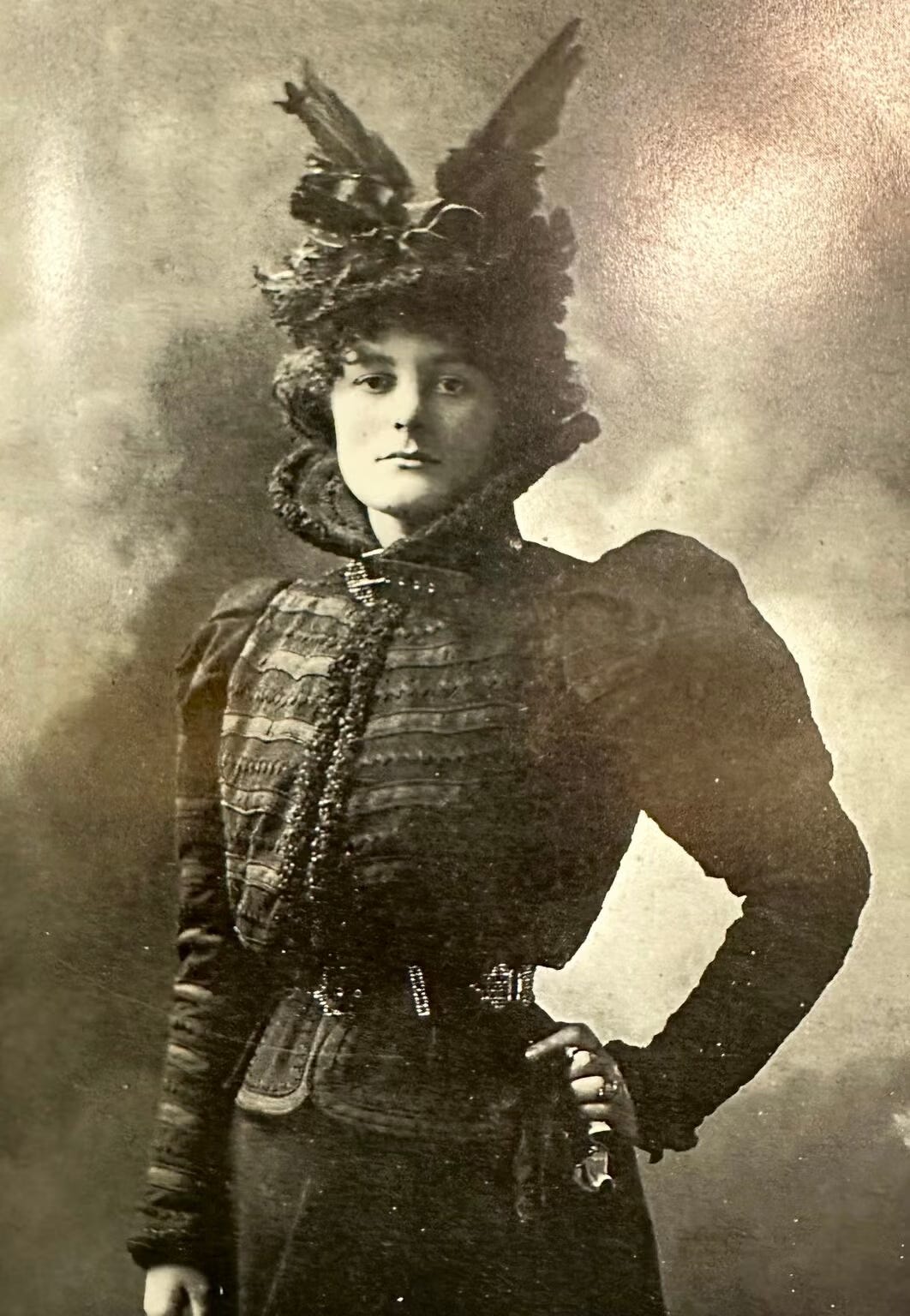
In London at age 25, fate introduced him to a fellow 25-year-old Irish expat, a ravishing actress named Maud Gonne. “His unrequited love affair with Gonne lasted decades, and she served as the impetus for much of his lyric poetry” (Domestico). The familiar term ‘unrequited love’ doesn’t capture his hopeless devotion for her.
Falling for her immediately and wholly, he soon proposed, even though she was in a long-term relationship with a French journalist. Yeats later stood by helplessly as she married another man - though that marriage ended in divorce. Over the ensuing decades, Yeats proposed to Gonne five more times.
Had I the heavens' embroidered cloths,
Enwrought with golden and silver light,
The blue and the dim and the dark cloths
Of night and light and the half light,
I would spread the cloths under your feet:
But I, being poor, have only my dreams;
I have spread my dreams under your feet;
Tread softly because you tread on my dreams.
“Tread softly because you tread on my dreams” is some devastating work. It was about her, and she knew it. She swatted one of his proposals with this gem: “You would not be happy with me. You make beautiful poetry out of what you call your unhappiness and you are happy in that. Marriage would be such a dull affair. Poets should never marry” (Keillor). She reportedly told him, “I did the world a favor by not marrying you.”
If her words stung, I don’t think she intended harm. When they were both 46, she wrote to him, “Our children were your poems of which I was the father sowing the unrest & storm which made them possible & you the mother who brought them forth in suffering & in the highest beauty” (Keillor).
Whatever affection Gonne felt for Yeats, it wasn’t adequate enough for her to accept his repeated proposals. Like Don Henley sang, “Sometimes love just ain’t enough.”
I could cite statistics about unrequited love, but who wants to read stats about love? You’re reading this because of an exchange from the movie Young Washington:
Q: You love the frontier the way poets love their first muse. Why?
A: It loved me first.
Young Washington believed the wilderness, though incapable of love, loved him first. Yeats knew that the object of his love, though capable of love, did not love him back.
Yeats was a lovesick schoolboy who spent years passing intricately folded notes to his beloved: “Do you love me? Check yes or no.” She re-folded the note six times and re-shredded his heart by checking the second box. He won a Nobel Prize, but not her heart. The preeminent poet of his century couldn’t get the girl. Prevailing wisdom says his romantic suffering fueled his literary success; his Nobel Prize was a consolation prize.
Which, of course, begs the question… if given the chance, would Yeats have traded his literary success for her? Maybe, probably. Yeats was such an enneagram four.
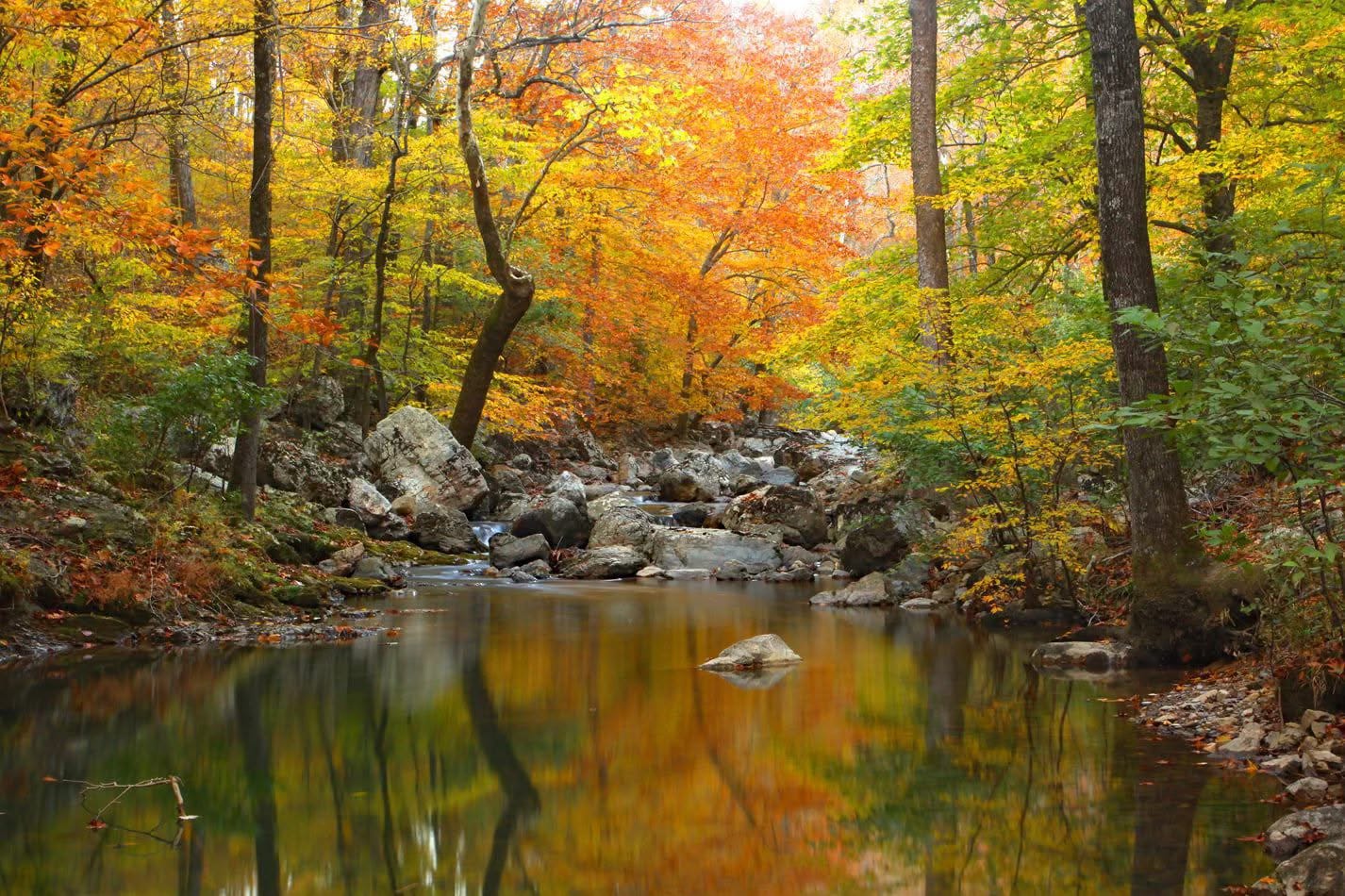
I’ve been a nature lover my whole life. I’ve written many words praising the rivers to which I run in my best and worst seasons. I am continually drawn to the beauty and solace in the silence. In my pastoral years, I preached about the symbolism of crossing rivers. I am fascinated with smallmouth bass and trout, mostly because of the beautiful places they inhabit. Nature’s charm culminates in autumn for me, an annual reminder that there is beauty in change, and a reminder of our own mortality. But in all of that, it never crossed my mind that nature could love me back.
Unlike Young Washington, I’ve accepted that my love for nature isn’t reciprocal. A born Romantic, I can write a thousand words about a sunset. But I’m not naive enough to think nature cares whether I live or die. I’ve been too close to strikes from lightning and snakes to dream that the wilderness could love me back. A mountain took my first mentor, and the sea took my second. A river nearly took my second daughter, and the sun took my wife.
In the best of all worlds, your folded note returns with the first box checked. When your vulnerability is rewarded, you are loved by that which you love. In the realest of worlds, a thousand things can go wrong. Your only pencil breaks before you even finish scrawling the question. The teacher takes your note before it touches her hand. Or she’s just about to check the box when bell rings, as it eventually does for us all, and you never know the answer.
But sometimes it works, and your “I love you” is reciprocated. The stars align, and you are wrapped in the warmth and wholeness of mutual adoration. Relief and exhilaration are interwoven. It’s easy to love something that loves you back. Receiving love from the one you love is a peak human experience. Maybe it’s true that, “I love you” is the best three-word sentence in the English language. But may I humbly present to you, “I love you, too.”
Perhaps having one’s love rejected is a gut wrenching experience that makes us even more human.
Loving that which loves you back is wonderful and unimpressive. Both can be true. To quote the gospel, “If you love those who love you, what credit is that to you?” I wonder if Yeats ever considered that Jesus also championed unrequited love - as if he needed any divine encouragement beyond the incomparable, life-altering beauty of the lovely Maud Gonne.
What then is life, or love, if not risking a broken heart because autumn’s color is muted when it’s been too dry, the trout looks but does’t rise to your fly, and she gently passes you by.
On that fateful night in June 2010, we (my late wife and our youngest son, then age 7) were camped at Shady Lake.
Thank you again for your wonderful writing about love and loss.
That's really good in ways I cannot tell